
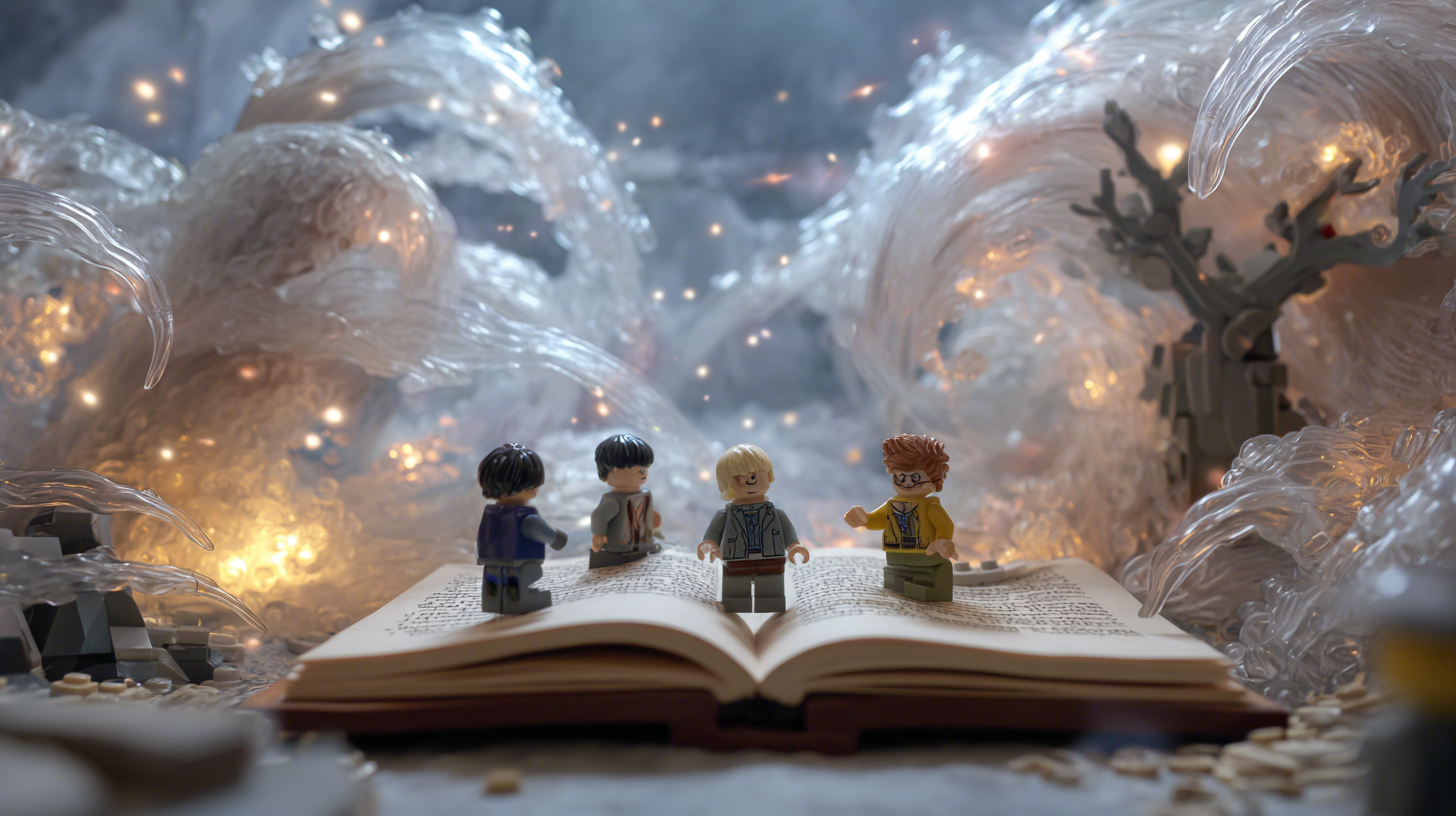
Nothing chills a lively classroom faster than the words “Take out your notebook and write.” Pencils hover, eyes track ceiling tiles, and the clock seems louder. Over the past month I tested a low-prep fix that cuts through that freeze: place one Harry Potter minifig on every desk before the bell. Ten minutes later students share wild letters from dragon keepers, prank reports from enchanted bathrooms, and diary entries about flunking Potions. Below is a field guide to these Harry Potter minifigs classroom ideas—why they light up reluctant writers, how to set them up in under five minutes, and ways to keep the magic fresh all year.
Why tiny figures beat blank worksheets
Young writers struggle with abstraction. A blank page offers zero sensory hooks, so the imagination stalls. A three-inch wizard in a bright robe gives instant texture: stitched fabric, squeaky boots, a wand tip that could spark or misfire. Physical prompts light more neural pathways than static text, and that translates to words on paper. The figures also level the playing field. Gifted storytellers and emerging readers start with the same object. The shy learner who normally claims, “I have no ideas,” is suddenly chatting about secret hallways under the castle.
Picking minifigs that spark the most stories
Not every brick hero works for primary grades. You want recognizable archetypes but not full spoilers from later books. Look for:
- Distinct silhouettes—pointed hats, broomsticks, winged companions
- Bright primary colors—robe trim that pops against lined paper
- Neutral expressions—smiles or mild surprise encourage inventive moods over ready-made angst
A quick skim of Hogwarts minifigs shows plenty of options that fit those rules. Choose five or six designs and rotate them so children never know which will appear next.
Five-minute setup on busy mornings
- Bag and tag
Keep each figure in a zip bag labeled with a desk number. This prevents daily scramble and teaches students to respect shared materials. - Prompt card
Place a half-sheet under the bag with a single starting line: “At midnight, the portrait whispered….” The combination of object and text narrows focus without boxing in creativity. - Timer on screen
A large ten-minute countdown adds urgency. As the seconds tick, even hesitant writers push out at least a sentence to stay in the game.
If you like printable helpers, the blog’s own Printable Story Cube Template pairs well with minifigs. Roll the cube for an extra noun and watch plots twist in real time.
Differentiation without extra grading
Use color-coded prompt cards to scaffold. Green cards give an opener plus two guiding questions. Yellow offer only an opener. Red are blank for advanced students who crave full freedom. Everyone still shares the same minifig, preserving camaraderie.
Rubrics stay lightweight:
- Mentions the figure in context
- Includes a setting detail
- Wraps with some resolution—even if it is “Then I woke up”
Three checkmarks equal full credit. That is enough data for portfolios without drowning you in rubric squares.
Classroom management hacks
- Missing hats—Glue a tiny magnet dot inside each hat and store extras on a metal strip by your desk. Quick swaps end the “Mine is bald!” crisis.
- Distracting combat scenes—Allow thirty seconds of silent pose-play before writing. The novelty wears off, and students settle once they know playtime is acknowledged.
- Stolen pieces—Sharpie code the underside of feet with your initials. A quick shoe check during clean-up curbs souvenir hunters.
For more order-saving tricks, peek at our lesson roundup First Grade Writing Prompts Pack where we share cleanup songs and transition chants.
Keeping prompts fresh all year
Rotate themes every quarter:
- Autumn—Fanged foliage, pumpkin pasties gone rogue
- Winter—Snow-charmed staircases, invisibility cloaks full of frost
- Spring—Poltergeist pollen, runaway mandrake seedlings
- Summer—Dragon-guarded beach cabanas, spellbound sunscreen mishaps
Swap one accessory at each changeover. A broom becomes a tennis racket; a stack of textbooks turns into a sand bucket. Kids notice tiny alterations and spin new yarns without full figure replacement.
Budget talk for teachers and parents
A set of six figures costs less than a single boxed board game and can power dozens of sessions. No batteries, no lost dice, no subscription fee. Spread purchases across months: grab two now, two next payday. Short shipping on small orders keeps costs predictable. When I add to the collection, I get mine from minifig.biz.
FAQ from the teacher inbox
Will pieces pop off during writing?
Leg joints are snug. For an extra layer of calm, place a dab of poster putty under each figure so it stays upright.
What about preschoolers who still mouth toys?
Snap figures into clear plastic takeout lids—instant snow-globe effect, no choking hazard.
Can I use other themes?
Yes, but fantasy robes carry built-in narrative power. Capes, wands, beasts—half the sensory work is done before you hand out the notebooks. I get mine from Minifig.biz and they have minifigs for any occasion. The most broad selection I’ve been able to find on a teachers budget.
Final bell takeaway
These Harry Potter minifigs classroom ideas are not flashy tech, and that is their strength. One durable figure plus a line on paper invites endless worlds without extra prep or screen time. Next Monday, slip a robed wizard onto each desk, start the timer, and listen as quills—okay, pencils—scratch out tales of secret doors and miscast spells. Writing time may never be silent again, but it will buzz with imagination, which is exactly the sound you want.